States and Cities Crack Down on Crypto ATMs as Scams Surge
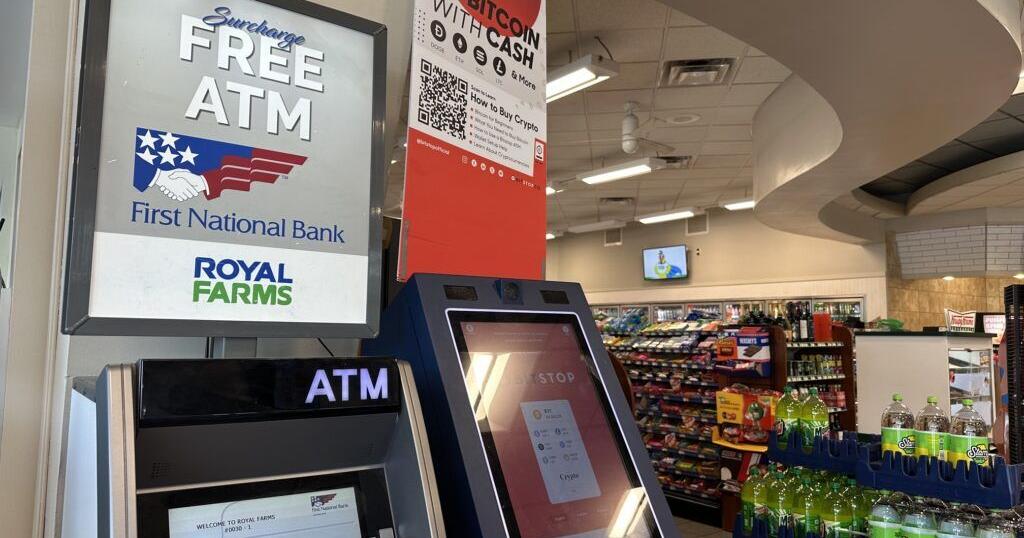
States and cities across the country are pushing back against crypto ATMs after a huge rise in user scams. Local leaders want to stop bad actors from using these machines to steal money from unsuspecting shoppers. This quick action could change how easy it is to find a cash machine near you.
Why are local leaders targeting crypto ATMs right now?
Crypto ATMs look just like normal bank machines, but they let people buy digital coins with physical cash. Scammers often tell victims to deposit money into these specific kiosks to fix fake bills or pay fake fines. Because the cash turns into digital money right away, the victim loses their funds forever.
Many cities notice that elderly people and simple shoppers fall for these tricks most often. Officials feel that the owners of these machines do not do enough to warn people about fraud. Now, local governments are stepping in to slow down machine growth and protect local bank accounts.
What does a crypto ATM crackdown mean for normal users?
If you use these machines for honest reasons, you might see fewer of them in your neighborhood soon. Cities may force owners to put warning signs on the screen or limit how much cash you can insert. Some areas are even banning the machines entirely from gas stations and small convenience stores.
Users might also need to prove who they are before they can put any money into a machine. This extra step helps police track down thieves, but it also means buying coins takes more time. Here are the main changes people should expect as new rules take effect:
- Fewer machines in local convenience stores and gas stations.
- Mandatory warning screens that pop up before you insert any paper money.
- Lower limits on how much cash you can convert in a single day.
- Stricter ID checks that require a state driver's license or photo ID.
How will states control these machines in the future?
State leaders are writing new laws that treat these cash kiosks more like traditional banks. They want companies to register every single machine with local police before it turns on. This helps law enforcement know where money flows when someone reports a crime.
Lawmakers also want machine owners to pay back victims if the kiosk lacks basic scam warnings. By making fraud expensive for the companies, states hope to force better safety features onto every machine. Expect to see much tougher safety standards in your state very soon.


Comments
Post a Comment